
The history of Turkish mosaic lamps stretches across centuries of artistic evolution, cultural symbolism, and architectural innovation. These glowing works of art are not simply decorative lighting pieces — they are a continuation of Anatolian, Byzantine, and Ottoman craftsmanship traditions that shaped visual culture across the Mediterranean and Middle East.
Today, Turkish mosaic lamps are recognized worldwide for their intricate geometric patterns and vibrant colored glass. But to truly understand their beauty, we must explore their historical roots, cultural meaning, and the meticulous artistic evolution that transformed raw glass into a global icon of interior design.
Quick Navigation
What Is a Turkish Mosaic Lamp?
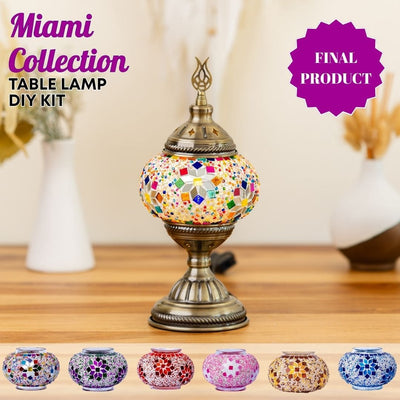
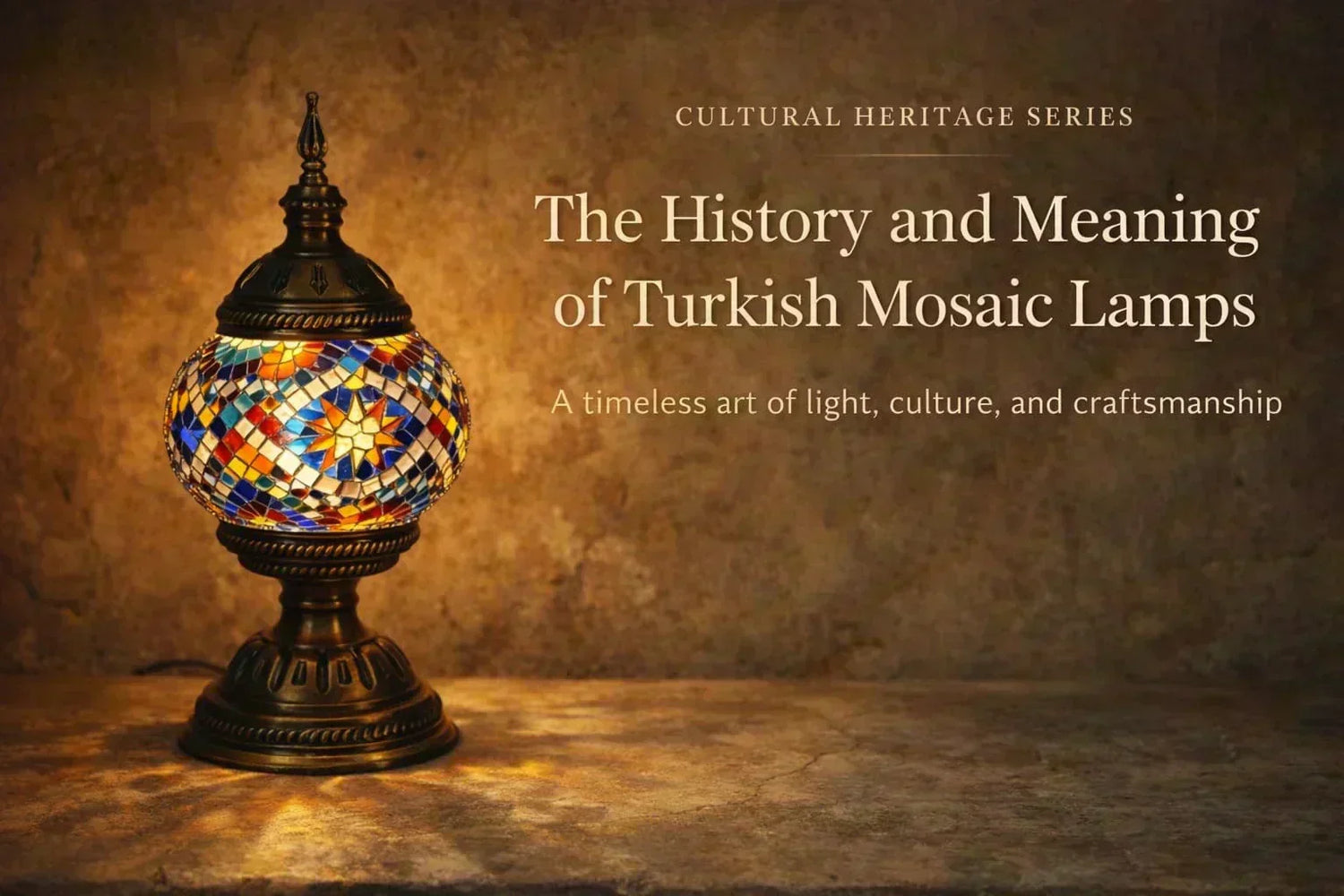
A Turkish mosaic lamp is a handcrafted lighting piece made by assembling small colored glass pieces (tesserae) and beads into intricate geometric designs. Unlike stained glass windows, which rely on large cut panels, mosaic lamps use small individual fragments carefully arranged to create luminous patterns when illuminated. This technique, often referred to as "painting with light," requires extreme precision and an innate understanding of color harmony.

Traditionally mounted on brass, bronze, or copper metal bases, these lamps became iconic decorative elements in Ottoman interiors. Over the years, they evolved from functional oil-burning lanterns to globally admired pieces of handmade home decor that bridge the gap between ancient tradition and modern aesthetics.
Ancient Origins: Byzantine and Early Anatolian Influence
The roots of mosaic art in Anatolia date back thousands of years. Long before the first lamp was ever lit, the meaning of mosaic art historically centered on storytelling, spiritual protection, and architectural grandeur.
During the Byzantine era, mosaic techniques flourished in Constantinople (modern-day Istanbul). In grand cathedrals like the Hagia Sophia, colored stones and glass tesserae were used to create celestial imagery. These early Byzantine artisans mastered the art of "tessellation"—the arrangement of shapes to cover a surface without gaps. These early practices laid the fundamental technical foundation for the decorative lighting adaptations we see today.
Although early mosaics were primarily architectural (floors and walls), the artistic shift occurred when artisans began applying these intricate techniques to functional objects. Lighting fixtures were the natural choice, as the translucency of glass offered a unique way to display art even in the darkness of the night.

The Ottoman Era: Illumination and Palace Culture
The true evolution of Ottoman mosaic lamps occurred during the height of the Ottoman Empire (15th to 19th centuries). As Ottoman architecture grew increasingly ornate, palace culture demanded lighting that was as much a status symbol as it was a utility.
In the Topkapi Palace and the grand mosques of Istanbul, lighting represented "Nur" (Divine Light). Artisans under the patronage of the Sultans began experimenting with glass blowing and metalwork filigree. The lamps of this era were massive, often hanging from high domes, featuring intricate geometric designs that reflected the core principles of Islamic art: symmetry, repetition, and spiritual infinity.
These lamps were never mass-produced. They were the product of the "Ahi" guild system—a community of highly specialized craftsmen who spent decades mastering the art of metal forging and glass placement. Each piece was a unique prayer in glass, carrying the signature of its creator's soul.
The Technical Mastery of Glass and Filigree
To understand the Turkish lighting history, one must look at the materials. The "mosaic" part of the lamp is created using glass that has been colored with metallic oxides. For example, cobalt was used for deep blues, while gold or copper was often used for rich reds. These glass sheets were then hand-cut into tiny diamonds, squares, or triangles.
The metalwork, known as "Telkari" or filigree, is equally important. Skilled blacksmiths would hand-carve the brass caps and bases with floral or star motifs. This combination of cold, solid metal and warm, vibrant glass creates the "Turkish style"—a dance of shadows and light that transforms any room into a sanctuary.

A Historical Timeline of Turkish Mosaic Lamps
- Byzantine Era (4th-15th Century): Mastered glass tesserae techniques for architectural wonders in Constantinople.
- 15th–16th Century (Early Ottoman): Adaptation of mosaic techniques into decorative oil lamps for mosques and imperial palaces.
- 18th Century (The Tulip Era): Glass production reached new artistic heights with more floral and complex color palettes.
- Late 19th Century: The introduction of electricity allowed mosaic lamps to transition from oil-burning lanterns to household decorative lighting.
- Modern Era (20th Century - Present): The Grand Bazaar of Istanbul became the epicenter for the global export of these artisanal treasures.
The Symbolism of Motifs: More Than Decoration
In the history of Turkish mosaic lamps, the patterns are never random. They carry deep-seated cultural meanings rooted in Anatolian folklore:
- The Star: Represents the universe, divine guidance, and protection.
- The Diamond: Symbolizes clarity of thought and the resilience of the soul.
- The Eye (Nazar): Though often a separate charm, blue mosaic patterns are frequently designed to ward off the "evil eye."
- Geometric Interlocking: Represents the interconnectedness of all living things and the concept of "Unity in Diversity."
Deep Dive into Design
Interested in the spiritual side of these designs? Explore our guide on Islamic Mosaic Art: Patterns and Modern Inspiration.
The Psychology of Color in Turkish Lighting
Color is the heartbeat of a mosaic lamp. When choosing or creating a lamp, the colors used are meant to evoke specific emotional responses:
- Blue (The Spirit): Used for tranquility, peace, and meditation.
- Red (The Life Force): Symbolizes energy, passion, and the warmth of the Turkish sun.
- Green (The Renewal): Associated with nature, paradise, and spiritual growth.
- Purple (The Wisdom): Represents luxury, mystery, and artistic depth.
When these colors are lit, they create an "ambient glow" that is scientifically proven to reduce stress and create a sense of safety within a living space.

Moroccan vs Turkish Lamps: A Detailed Comparison
While both are stunning, they cater to different design sensibilities. If you are a decorator, understanding this difference is key:
- Turkish Lamps: Focus on Color and Narrative. The light passes *through* the glass, creating a vibrant, glowing painting. They are symmetrical and rely on geometric glass mosaics.
- Moroccan Lamps: Focus on Shadow and Texture. Usually made of pierced metal (brass or iron) with minimal glass. They project "shadow art" onto the walls, creating a dramatic, dark-and-light effect.
Authenticity: How to Spot a Real Artisan Lamp
With global popularity comes mass-produced imitations. A true Turkish mosaic lamp has specific hallmarks:
- Real Glass: Authentic lamps use heat-treated colored glass, not painted plastic or resin.
- Metalwork: Look for heavy brass or oxidised copper. Cheap replicas use flimsy spray-painted tin.
- Grout Quality: The plaster (grout) holding the glass should be smooth and firm, not crumbling.
- Weight: Handcrafted lamps have a significant weight due to the quality of materials used.
Want a deeper breakdown? Read our full guide on how to spot a genuine Turkish lamp — authentic vs. fake, side by side.
The Modern Revival: DIY and Creative Workshops
In the 21st century, the history of Turkish mosaic lamps has entered a new chapter: **The Experience Era**. People no longer just want to own a piece of history; they want to be part of the process. This has led to a global surge in creative workshops where anyone can learn the traditional "Ahi" methods of glass placement.
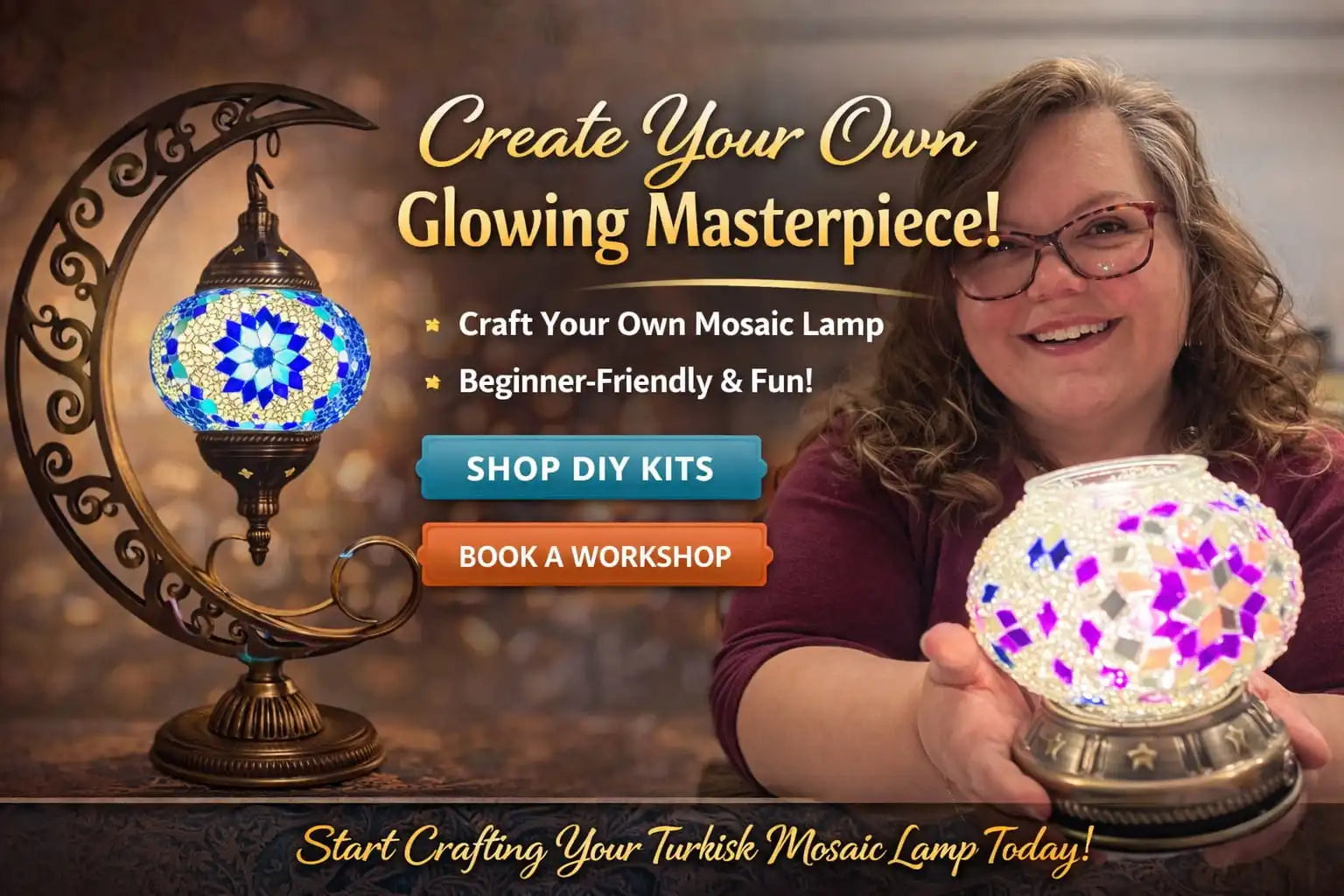
Whether you are in Philly or Istanbul, these workshops provide a meditative space for self-expression. Beyond purchasing, many people now explore the art of making Turkish lamps themselves through DIY kits, continuing a thousand-year-old tradition in their own living rooms.

Conclusion: A Legacy of Light
The journey from Byzantine tesserae to modern-day living room statement pieces is a testament to the enduring power of Anatolian art. Turkish mosaic lamps are more than just objects; they are storytellers that carry the whispers of the Silk Road and the grandeur of the Ottomans into our modern homes.
Frequently Asked Questions
What is the history of Turkish mosaic lamps?
Turkish mosaic lamps evolved from Byzantine mosaic traditions in Constantinople and flourished during the Ottoman era. Originally used in palaces and mosques, they were handcrafted by guilds to represent divine light and imperial power.
What do Turkish mosaic lamps symbolize?
They symbolize spiritual harmony, hospitality, and protection. Specific motifs like stars represent the universe, while geometric interlocking patterns symbolize the interconnectedness of life.
Are Turkish mosaic lamps handmade?
Yes, authentic Turkish mosaic lamps are strictly handmade. Each individual piece of colored glass and every bead is hand-placed using a specialized adhesive, and the metalwork is often hand-forged or filigreed.
What is the difference between Moroccan and Turkish lamps?
The main difference lies in the light effect. Turkish lamps use colored glass mosaics to create a glowing color effect. Moroccan lamps use pierced metal to project intricate shadow patterns onto the surrounding walls.
Where are Turkish mosaic lamps traditionally made?
They are traditionally made in Turkey, with Istanbul's Grand Bazaar being the most famous historical hub for this craft. However, the tradition has spread to artisan studios worldwide.
How do I care for my Turkish mosaic lamp?
You should clean it with a dry or slightly damp cloth. Avoid harsh chemicals that can damage the grout or oxidize the metalwork. Since they use real glass, they are durable but should be kept away from high-moisture areas.
Bring the History of Light into Your Home
Whether you wish to purchase an artisan-crafted piece or create your own legacy, we are here to guide your creative journey.