
Glass art is the practice of creating decorative, sculptural, or functional objects from glass by shaping, melting, cutting, or assembling its fragments. It is one of humanity's oldest art forms, dating back to 3500 BCE, and today encompasses techniques ranging from glassblowing and stained glass to Turkish mosaic lamp making.
What Is Glass Art? The Ultimate Guide to History, Techniques, and Turkish Mosaics
Unlike many traditional artistic mediums, working with glass demands a perfect marriage of scientific precision and unbounded creativity. An artist must deeply understand temperature control, material behavior, and structural balance while simultaneously focusing on elegant design and color harmony. This unique duality makes it one of the most fascinating forms of craftsmanship in human history.
💡 Quick Summary: The World of Glass Art
- A Rich History: Tracing back to 3500 BCE in Mesopotamia, evolving through Roman glassblowing and Gothic stained glass.
- Core Techniques: Encompasses methods like glassblowing, fusing, lampworking, and traditional mosaic assembly.
- The Cultural Jewel: Turkish mosaic lamps represent a historic pinnacle of the craft, combining intricate geometric patterns with warm illumination.
- Hands-On Experience: You can master these ancient techniques today by joining a beginner-friendly workshop and crafting your own masterpiece.
A Journey Through Time: The History of Glass Art
The enchanting story of glass dates back to approximately 3500 BCE, where it was first produced as luxury decorative items in Ancient Egypt and Mesopotamia. During these early eras, this precious material was exclusively reserved for intricate jewelry making and small, royal decorative objects.
However, the landscape of artistry shifted dramatically during the Roman Empire with the revolutionary invention of glassblowing. This groundbreaking technique allowed artisans to breathe life into thinner, far more delicate vessels, rapidly expanding its use across the ancient world.
As Europe transitioned into the Middle Ages, the craft found a deeply spiritual calling. The monumental stained glass windows of grand Gothic cathedrals transformed natural sunlight into divine narratives, carrying immense religious and aesthetic significance. By the 13th century, the island of Murano in Venice had established itself as the undisputed global capital of glassmaking, producing objects of such unparalleled beauty that their fame remains legendary today.

Essential Techniques Used by Modern Artisans
The methodology behind glass art is as diverse as the artists who practice it. Depending on the desired outcome be it a towering sculpture or a delicate bead creators employ a variety of specialized methods:
1. Glassblowing
A mesmerizing technique where molten glass is gathered on a pipe and shaped by inflating it with the artist's breath. This method yields incredibly delicate, lightweight, and organic forms, remaining a favorite among contemporary sculptors.
2. Stained Glass
This historic method involves meticulously cutting flat, colored glass and joining the pieces using lead or copper foil frames. While famous for illuminating religious sanctuaries, it is widely used today in modern residential architecture.
3. Glass Fusing
By placing compatible pieces of glass into a specialized kiln, artists melt them together at exceptionally high temperatures. Fusing is a fantastic way to create abstract patterns, durable plates, and textured wall art.
4. Lampworking
Utilizing a concentrated, high-temperature torch, artists melt narrow glass rods to form highly detailed miniature objects. This is the primary technique used for crafting custom glass beads and tiny, intricate sculptures.

The Cultural Masterpiece: Turkish Mosaic Lamps
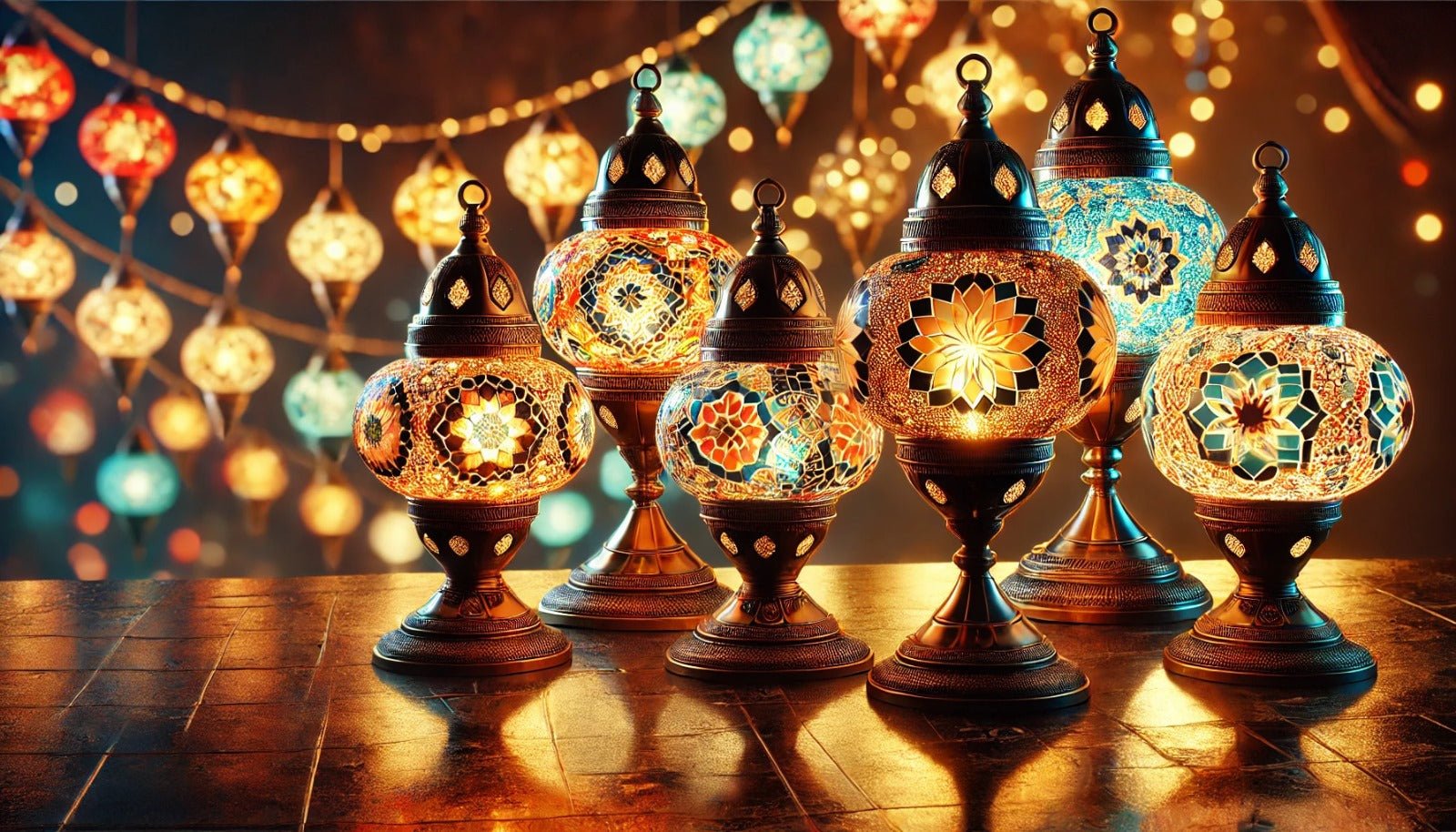
While modern studio movements have pushed the boundaries of abstract sculpture, one of the most culturally profound and accessible forms of the craft is the Turkish mosaic lamp. Tracing its regal origins back to the opulent palaces of the Ottoman Empire, this specific art form is a testament to patience, precision, and historical beauty.
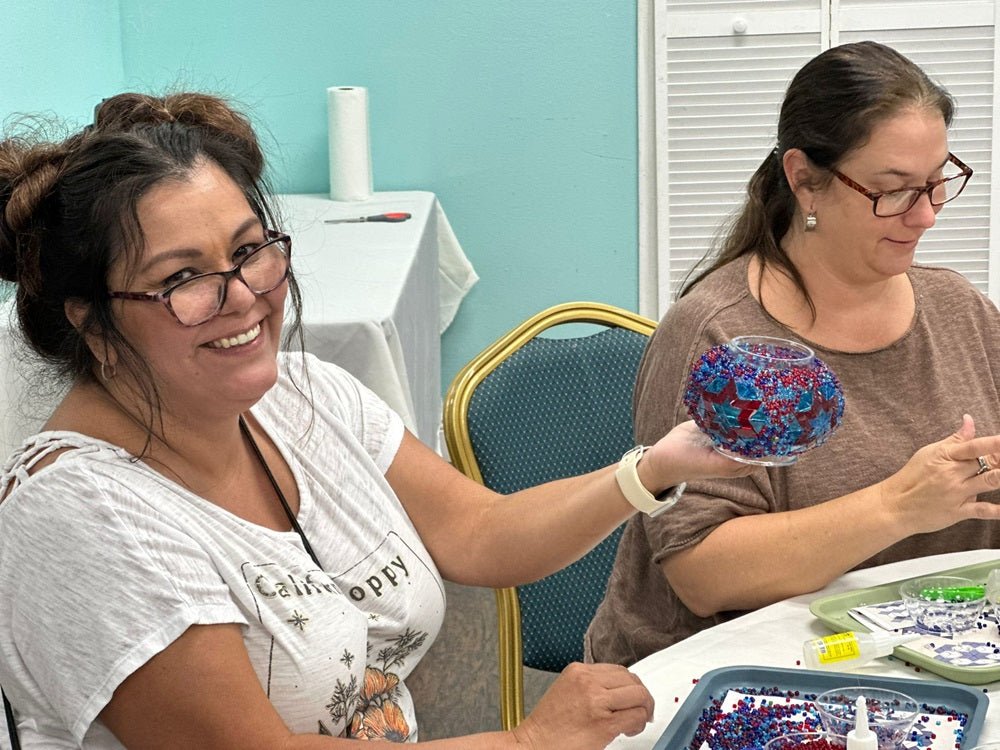
These breathtaking luminaries are brought to life by carefully hand-arranging tiny, non-painted colored glass pieces and beads into complex, repeating geometric and floral motifs. When illuminated from within, the design casts a mesmerizing, warm, and radiant ambiance that instantly elevates any interior space.
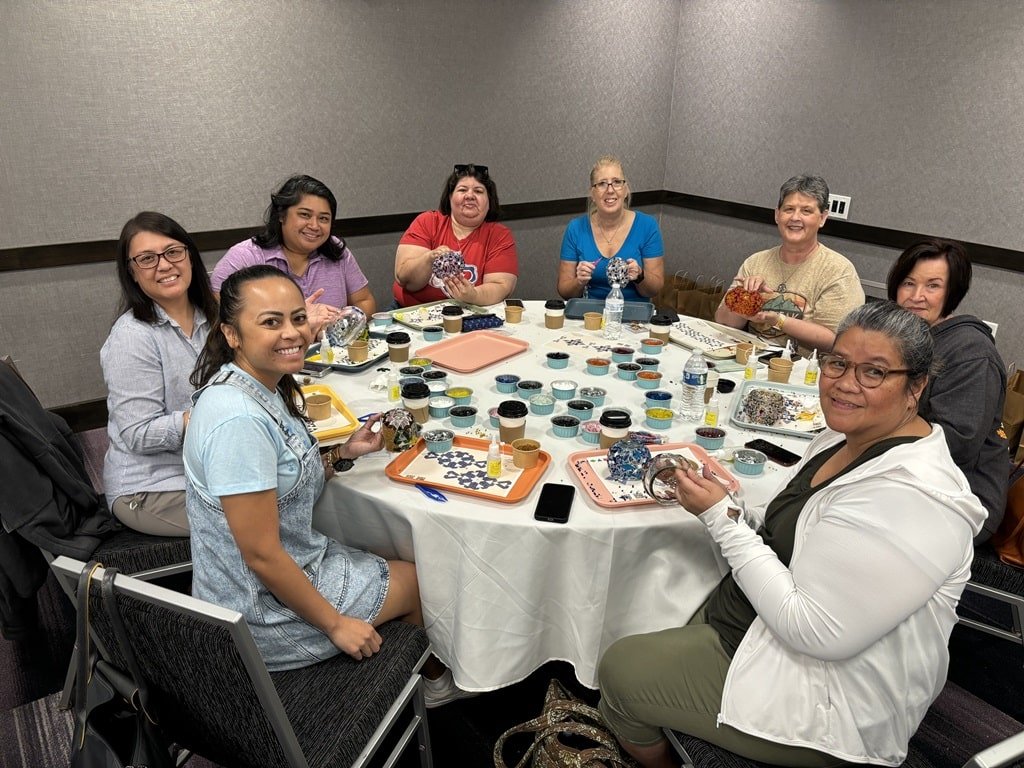
If you have ever wanted to experience this ancient craft firsthand, a Turkish mosaic lamp workshop is the perfect place to start. At Pedalisa Art, our beginner-friendly workshops guide you step-by-step through the entire process, from selecting your glass colors to assembling your finished, glowing lamp, all in a single session. No prior art experience is needed.
Craft Your Own Legacy at Pedalisa Art
You don't need a fiery kiln or decades of experience to become a glass artist. By joining a Pedalisa Art Turkish Mosaic Lamp Workshop, you step into the shoes of a master artisan. Your fully catered experience includes:
- Premium Glass Supplies: Unlimited access to vibrant, precut Turkish glass pieces and authentic decorative beads to build your unique pattern.
- Expert Guidance: Our patient, professional instructors will teach you the ancient techniques of mosaic placement step-by-step.
- Authentic Turkish Hospitality: Immerse yourself in the culture! Sip on unlimited, freshly brewed Turkish tea and indulge in homemade baklava and Turkish delight while you craft.
- Instant Gratification: Assemble your glowing masterpiece in our studio, attach the premium metal base, and take your finished artwork home the exact same day to display proudly!

The Endless Potential of Glass
From the towering, colorful windows of medieval cathedrals to the intimate, soothing glow of a bedside mosaic lamp, glass has continuously proven to be a versatile and emotionally resonant medium. Its unique ability to capture and manipulate light ensures that it will remain an enduring source of inspiration for generations to come.
Experience the Magic Yourself! 🎟️
Ready to unplug, relax, and create a functional piece of art? Join thousands of happy creators across the country. Check out our locations and discover exclusive local discounts and promo codes for your next workshop!
Find a Workshop Near YouFrequently Asked Questions About Glass Art & Mosaic Workshops
What is glass art made of?
Glass art is made from silica sand combined with soda ash and limestone, melted together at extremely high temperatures. Depending on the technique, artists may work with molten glass rods, flat colored sheets, pre-cut glass tiles, or glass beads. In Turkish mosaic lamp making, small hand-cut colored glass pieces are arranged and adhered onto a glass globe to create intricate patterns.
What are the different types of glass art?
The main types of glass art include glassblowing (shaping molten glass with breath), stained glass (cutting and joining colored flat glass), glass fusing (melting pieces together in a kiln), lampworking (using a torch to shape glass rods), and mosaic glass art (assembling cut glass pieces into decorative patterns). Turkish mosaic lamps are one of the most accessible and culturally rich forms of mosaic glass art.
Is glass art hard to learn?
It depends on the technique. Glassblowing and lampworking require significant practice and professional equipment. However, mosaic glass art, including Turkish mosaic lamp making, is beginner-friendly and requires no prior experience. At Pedalisa Art workshops, first-time participants regularly complete a beautiful, finished lamp in a single 2.5-hour session.
What is the difference between glass art and stained glass?
Stained glass is a specific type of glass art that involves cutting flat, colored glass panels and joining them with lead or copper foil to create images or patterns, most famously seen in cathedral windows. Glass art is the broader category that includes stained glass alongside many other techniques such as glassblowing, fusing, lampworking, and mosaic assembly.
Can glass art be done at home?
Some forms of glass art, like mosaic glass art and basic stained glass, can be done at home with the right supplies and safety precautions. Techniques involving molten glass, such as glassblowing or lampworking, require professional studio equipment and training. A great way to start is by attending a guided workshop where all materials and expert instruction are provided.
Is it safe for beginners to work with glass?
Absolutely! While techniques like glassblowing require high heat and professional studios, our Turkish mosaic workshops use pre-cut, tumbled glass pieces and safe, room-temperature silicone adhesives. It is a completely safe, beginner-friendly environment.
Can children participate in mosaic glass art?
Yes! Creating a mosaic lamp is a wonderful, screen-free activity for families. We warmly welcome children ages 7 and older to participate, as long as they are assisted by an adult during the crafting process.
Do I need to fire my mosaic lamp in a kiln?
No kiln firing is necessary for Turkish mosaic art. You will construct your design directly onto a glass globe using specialized adhesives. Once it sets, your lamp is ready to shine.
Will I finish my lamp in one session?
Yes! During our 2.5-hour workshop, you will fully assemble the glass pieces onto the globe and attach the metal base. You get to take your finished, illuminated masterpiece home with you that exact same day.